Newborn Active Sleep: What It Is and When It Stops
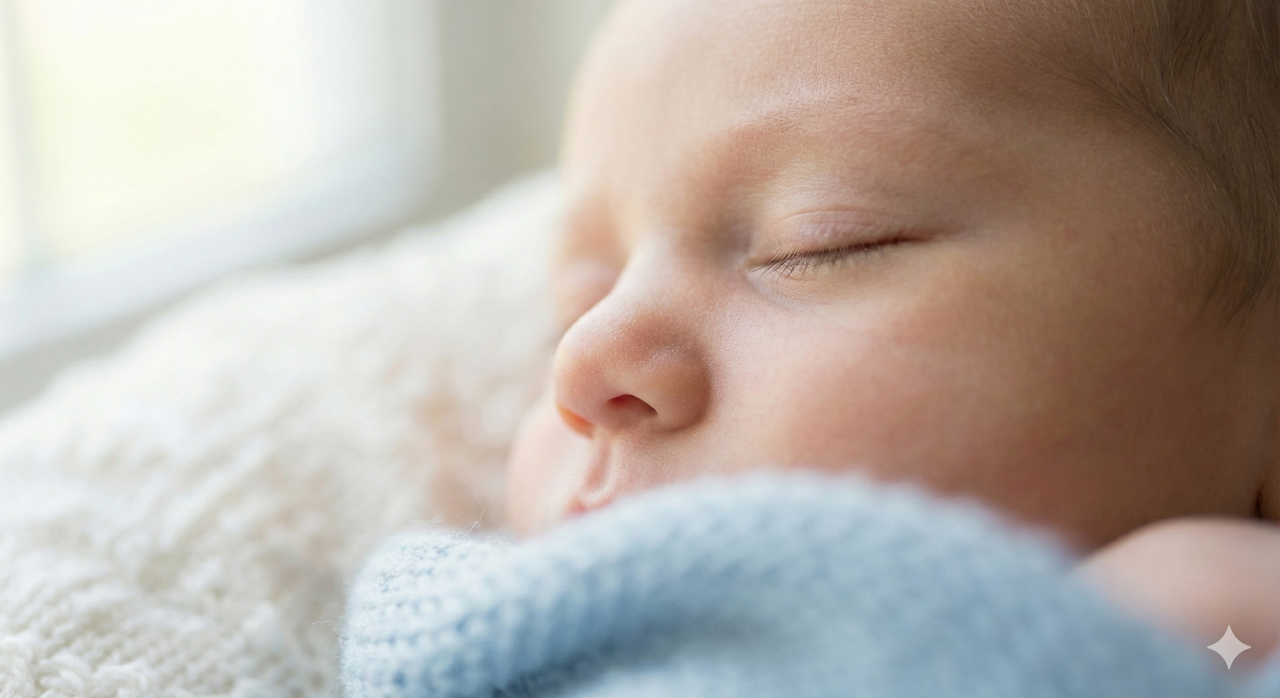
Your newborn is twitching, grunting, fluttering their eyelids, and making little grimaces in their sleep. You lean over the crib, heart pounding—are they okay? Are they waking up? Should I pick them up?
Take a breath. What you’re seeing is completely normal.
This is active sleep—a crucial phase of your baby’s sleep cycle that looks alarming but is actually a sign of healthy brain development. In fact, newborns spend about 50% of their sleep time in this restless-looking state.
In this guide, you’ll learn:
- What active sleep actually is (and why it looks so dramatic)
- How to tell the difference between active sleep and your baby being awake
- How long active sleep lasts and when it naturally decreases
- What you should—and shouldn’t—do when your baby is in active sleep
Let’s demystify those twitches, grunts, and wiggles.
What Is Newborn Active Sleep?
If you’ve ever watched your sleeping newborn and wondered whether they’re dreaming, uncomfortable, or about to wake up—you’ve witnessed active sleep in action.
Definition of Active Sleep (REM Sleep in Infants)
Active sleep is the newborn equivalent of REM (Rapid Eye Movement) sleep in adults. It’s a light sleep stage characterized by:
- Rapid eye movements beneath closed eyelids
- Irregular breathing patterns
- Muscle twitches and jerky movements
- Facial expressions—smiles, frowns, grimaces
- Sounds—grunts, whimpers, squeaks
Unlike adults, who enter deep sleep first and cycle into REM later, newborns often fall directly into active sleep. This is why your baby might seem restless the moment they drift off.
Key insight: Active sleep isn’t a sign of discomfort. It’s a sign of a developing brain at work.
Characteristics of Active Sleep in Babies
Here’s what infant active sleep typically looks like:
| Sign | What You’ll See |
|---|---|
| Eye movement | Fluttering eyelids, eyes moving under lids |
| Breathing | Irregular, sometimes faster, occasional pauses (up to 10 seconds is normal) |
| Body movement | Twitching arms/legs, stretching, squirming |
| Facial expressions | Smiling, frowning, sucking motions |
| Sounds | Grunting, whimpering, cooing, sighing |
If your newborn is grunting and squirming while sleeping, this is almost always active sleep—not pain or discomfort.
Active Sleep vs. Quiet Sleep: The Two Stages
Newborn sleep cycles consist of two main stages:
1. Active Sleep (REM)
- Light sleep
- Easy to wake
- Visible movement and sounds
- Brain is highly active (processing, learning, developing)
2. Quiet Sleep (Non-REM)
- Deep sleep
- Harder to wake
- Still body, relaxed muscles
- Steady, rhythmic breathing
- Body repair and growth hormone release
Baby sleep cycles alternate between these two stages. In newborns, a complete cycle lasts only 40-50 minutes (compared to 90 minutes in adults), which is why babies wake so frequently.
Why Does My Baby Move So Much During Sleep?
Watching your newborn twitch and wriggle can feel unsettling, especially at 3 AM when your own brain is foggy with exhaustion. But there’s a beautiful reason behind all that movement.
The Science Behind Active Sleep
During active sleep, your baby’s brain is extraordinarily busy:
- Neural connections are forming at a rate of over 1 million per second
- Memories from the day are being processed (yes, even simple ones like the sound of your voice)
- Motor pathways are being developed—those twitches actually help your baby learn to control their limbs
- Sensory information is being integrated
Do newborns dream? Scientists believe they might, though not in the narrative way adults do. Newborn REM sleep is thought to involve processing sensory experiences—sounds, touches, and the feeling of being held. Those smiles you see during sleep? They could be your baby “practicing” emotional expressions.
The twitching isn’t random. Research suggests these movements during active sleep help calibrate the connections between your baby’s brain and muscles. It’s like a system check that happens every time they sleep.
Is My Baby Actually Awake? (Active Sleep vs. Awake)
This is one of the most common points of confusion for new parents. Your baby’s eyes are moving, they’re making sounds, maybe even crying briefly—surely they’re awake?
Here’s how to tell the difference between newborn active sleep vs. awake:
| Active Sleep | Truly Awake |
|---|---|
| Eyes closed or fluttering (not focused) | Eyes open and focusing on objects/faces |
| Movements are jerky, random | Movements are more purposeful |
| Sounds are brief (grunts, whimpers) | Sounds escalate (crying intensifies) |
| Can settle back without intervention | Needs attention, feeding, or comfort |
| Face cycles through expressions | Sustained expression (distress or alertness) |
The golden rule: If your baby is in active sleep, wait 2-3 minutes before intervening. Many babies will transition to quiet sleep or back into another sleep cycle on their own. Picking them up too quickly can actually wake them fully.
Active Sleep vs. Hunger Cues: How to Tell the Difference
At 2 AM, it’s hard to know: Is my baby waking from hunger, or just cycling through active sleep?
Signs of active sleep (wait and watch):
- Sucking motions but eyes stay closed
- Brief fussing that stops on its own
- Movements happen in bursts, then calm
- No rooting toward your chest or hand
Signs of genuine hunger (respond):
- Rooting reflex (turning head, opening mouth)
- Hands to mouth repeatedly
- Fussing that escalates rather than settles
- Alert eyes when they do open
- It’s been 2-3+ hours since last feeding
Pro tip: Keep a dim light nearby. If you can see your baby’s eyes are truly closed and they’re not rooting, give them a minute. You might be surprised how often they settle back into sleep.
How Long Does Active Sleep Last in Babies?
Understanding the timing of your baby’s sleep cycles can help you work with their natural rhythms rather than against them.
Duration of Active Sleep Cycles
How long does active sleep last? In newborns, each active sleep phase typically lasts 20-25 minutes before transitioning to quiet sleep. Here’s the breakdown:
- Total sleep cycle length: 40-50 minutes
- Active sleep portion: Approximately 50% (20-25 minutes)
- Quiet sleep portion: Approximately 50% (20-25 minutes)
This means your newborn will go through multiple cycles of active and quiet sleep during each nap and nighttime stretch. The transition between cycles is when babies are most likely to wake—which is why a newborn rarely sleeps longer than 45-50 minutes at a stretch during the day.
Newborn Sleep Cycle Chart
Here’s a visual breakdown of how infant sleep stages work:
| Age | Sleep Cycle Length | Active Sleep % | Quiet Sleep % |
|---|---|---|---|
| 0-2 weeks | 40-50 min | 50% | 50% |
| 2-4 weeks | 40-50 min | 50% | 50% |
| 1-2 months | 45-50 min | 45% | 55% |
| 2-3 months | 50-60 min | 40% | 60% |
| 3-4 months | 60-90 min | 30% | 70% |
Notice the pattern: As your baby grows, active sleep decreases and sleep cycles lengthen. This is why sleep often feels more “settled” around the 3-4 month mark.
Sleep Patterns Week by Week (0-12 Weeks)
Every baby is different, but here’s what newborn sleep patterns week by week typically look like:
Weeks 0-2:
- Sleep: 16-18 hours total per day
- Pattern: No day/night distinction yet
- Active sleep: Very dominant (falling asleep directly into REM)
- Wake windows: 30-45 minutes maximum
Weeks 2-4:
- Sleep: 15-17 hours total per day
- Pattern: Beginning to have slightly longer night stretches
- Active sleep: Still ~50% of sleep time
- Wake windows: 45-60 minutes
Weeks 4-6:
- Sleep: 14-16 hours total per day
- Pattern: May sleep 3-4 hour stretches at night
- Active sleep: Slight decrease beginning
- Wake windows: 60-75 minutes
Weeks 6-8:
- Sleep: 14-16 hours total per day
- Pattern: Day/night awareness emerging
- Active sleep: 40-45% of sleep
- Wake windows: 60-90 minutes
Weeks 8-12:
- Sleep: 14-15 hours total per day
- Pattern: Longer night stretches possible (4-6 hours)
- Active sleep: 35-40% of sleep
- Wake windows: 75-120 minutes
When Do Babies Stop Having Active Sleep?
Good news: the restless nights won’t last forever. Your baby’s sleep architecture naturally matures over the first year of life.
The Transition Timeline
When does active sleep stop? It doesn’t stop entirely—adults still have REM sleep—but it dramatically decreases as a proportion of total sleep:
| Age | Active/REM Sleep % | What You’ll Notice |
|---|---|---|
| Newborn (0-3 months) | 50% | Lots of movement, grunting, twitching |
| 3-6 months | 30-35% | Less restless sleep, fewer grunts |
| 6-12 months | 25-30% | More consolidated sleep stretches |
| 1-2 years | 25% | Sleep looks “calmer” overall |
| Adults | 20-25% | REM occurs primarily in later sleep cycles |
When do babies stop having active sleep in the dramatic way newborns display it? Most parents notice a significant shift between 3-4 months. By this time:
- Sleep cycles lengthen to 60-90 minutes
- Babies begin entering quiet (non-REM) sleep first instead of active sleep
- The twitching, grunting, and restless movements become much less pronounced
What Changes Around 3-4 Months
The 3-4 month mark brings a major reorganization of your baby’s sleep architecture. This is when:
- Sleep cycles mature to more closely resemble adult patterns
- Melatonin production increases, helping regulate day/night rhythms
- Sleep becomes more organized into distinct stages (light sleep, deep sleep, REM)
- Falling asleep looks different—baby enters light sleep first, not REM
However, this transition isn’t always smooth. Many parents experience what’s known as a sleep regression around 4 months. If your baby was sleeping longer stretches and suddenly starts waking more frequently, their brain is reorganizing its sleep cycles.
What to expect: The 4-month sleep regression typically lasts 2-6 weeks. It’s not a regression so much as a progression—your baby’s sleep is maturing.
How Long Should a Newborn Be Awake?
Understanding newborn awake time is just as important as understanding sleep. An overtired baby has a harder time settling into sleep—and often spends more time in light, restless active sleep as a result.
Newborn Wake Windows by Age
How long do newborns stay awake? Much shorter than you might think. Here are age-appropriate wake windows for the first 12 weeks:
| Age | Awake Time Between Naps | Signs to Watch For |
|---|---|---|
| 0-2 weeks | 30-45 minutes | Very short—may only tolerate feeding + brief alert time |
| 2-4 weeks | 45-60 minutes | Yawning, jerky movements, looking away |
| 4-6 weeks | 60-75 minutes | Red eyebrows, fussiness, zoning out |
| 6-8 weeks | 60-90 minutes | Rubbing eyes, ear pulling, crankiness |
| 8-12 weeks | 75-120 minutes | More sustained alertness possible |
Important: These are maximum wake windows. Many newborns—especially in the first month—can only handle being awake for the time it takes to feed and have a diaper change.
Wake Times for 0-3 Week Old Babies
How long should a 2 week old be awake? Typically only 45-60 minutes, including feeding time.
How long should a 3 week old be awake? Around 45-75 minutes maximum.
At this age, awake time might look like:
- 20-30 minutes of feeding
- 10-15 minutes of diaper change and brief interaction
- 5-10 minutes of “buffer” before sleep cues appear
That’s it. And that’s normal.
If your newborn is awake much longer than these windows, they may become overtired, which paradoxically makes sleep harder—not easier. Overtired babies:
- Fight sleep more
- Have trouble settling
- Wake more frequently
- Spend more time in light, restless sleep
Signs Your Baby Is Tired vs. Alert
Learning to read your baby’s sleep cues can transform your days (and nights).
Early tired cues (the “golden window”):
- Yawning
- Decreased activity
- Quieter, less vocal
- “Zoning out” or staring into space
- Red eyebrows or around the eyes
- Looking away from stimulation
Late tired cues (overtired):
- Rubbing eyes or ears
- Jerky arm movements
- Arching back
- Fussing or crying
- Difficult to soothe
Alert and ready for interaction:
- Bright, focused eyes
- Smooth body movements
- “Talking” or cooing
- Engaging with faces
- Relaxed body posture
The goal is to start your sleep routine at the first early tired cues, before your baby hits the overtired zone. Understanding wake windows can help you anticipate when these cues will appear.
Should I Wake My Sleeping Newborn?
“Never wake a sleeping baby” is advice you’ve probably heard. But it’s not always true—especially in the newborn stage.
When to Let Baby Sleep vs. Wake for Feeding
Should I wake my newborn during the day? Sometimes, yes. Here’s when:
Wake your newborn if:
- It’s been 3+ hours since their last daytime feeding (for newborns under 4 weeks)
- Your baby hasn’t regained their birth weight yet (usually takes 10-14 days)
- Your pediatrician has recommended feeding schedules for weight gain
- It’s getting close to bedtime and a late nap might interfere with night sleep
Let your newborn sleep if:
- They’ve regained birth weight and are gaining well
- It’s nighttime and they’re sleeping a longer stretch (up to 4-5 hours after the first few weeks)
- They’re in deep quiet sleep (disturbing this can lead to an overtired, cranky baby)
What about longer night stretches? If your newborn slept 5 hours without feeding and has regained their birth weight, this is generally fine—and something to celebrate. However, check with your pediatrician if you’re concerned, especially in the first few weeks.
Rule of thumb: In the first 2-3 weeks, don’t let your newborn sleep longer than 3 hours without a feeding during the day, or 4 hours at night. After birth weight is regained and your pediatrician gives the green light, you can let your baby sleep as long as they want at night.
Night Waking: Why It Happens
Why do infants wake up at night? Many reasons—and most are completely normal:
-
Hunger: Newborn stomachs are tiny. They genuinely need to eat every 2-4 hours.
-
Sleep cycle transitions: Remember those 40-50 minute sleep cycles? Each time a cycle ends, there’s a brief moment of light sleep or near-waking. Some babies fully wake; others transition smoothly.
-
Active sleep: Your baby might not actually be awake—just cycling through REM sleep. Those grunts and movements can fool you.
-
Discomfort: Wet diaper, gas, temperature changes.
-
Developmental leaps: Your baby’s brain is growing rapidly. This can temporarily disrupt sleep.
If your newborn is awake at night but not crying, they might be:
- In active sleep (wait before responding)
- Practicing their new alertness skills
- Content to look around in the dark
Tips for Navigating Active Sleep (What Parents Can Do)
Now that you understand what active sleep is, here’s how to work with it rather than against it.
Wait Before Intervening (The Pause Method)
This might be the most valuable skill you develop as a new parent: the pause.
When your baby stirs, grunts, or whimpers during sleep:
- Stop. Resist the urge to immediately pick them up.
- Watch. Are their eyes truly open? Are they escalating or settling?
- Wait. Give it 1-3 minutes. Time it if you need to—it feels longer than it is.
- Respond if needed. If crying escalates or they’re truly awake, then respond.
Many babies will:
- Cycle back into deeper sleep
- Self-soothe with sucking motions
- Resettle without any intervention
By pausing, you’re giving your baby a chance to practice connecting sleep cycles independently—a skill that will serve them (and you) for years to come.
Note: This approach is for babies who are safe, fed, and comfortable. Always respond to your instincts and your baby’s genuine distress.
Create a Sleep-Friendly Environment
While you can’t prevent active sleep (nor would you want to—it’s essential for development), you can create conditions that support better sleep overall:
For daytime naps:
- Dim the room but don’t make it pitch black (helps with day/night distinction)
- Use white noise to mask household sounds and smooth sleep transitions
- Keep it slightly cool (68-72°F / 20-22°C is ideal)
- Swaddle if your baby enjoys it (until they start rolling)
For nighttime sleep:
- Dark room (blackout curtains if needed)
- Consistent white noise throughout the night
- Same sleep space each night
- Boring interactions for night wakings—feed/change with minimal stimulation
Environmental consistency helps signal to your baby’s developing brain when it’s time to sleep and makes those sleep cycle transitions smoother.
When to Be Concerned (Red Flags)
Active sleep is normal. But occasionally, what looks like active sleep might warrant medical attention. Contact your pediatrician if you notice:
Breathing concerns:
- Breathing pauses longer than 15-20 seconds
- Blue or gray coloring around lips or face
- Grunting with every breath (not just occasional sleep grunts)
- Ribs pulling in with each breath (retractions)
- Flaring nostrils with breathing
Movement concerns:
- Rhythmic, repetitive jerking that doesn’t stop when you touch or move your baby
- Stiffening episodes
- Eyes rolling back
- Movement that looks different from typical twitching and doesn’t respond to gentle touch
General concerns:
- Difficulty waking your baby
- Extreme limpness or floppiness
- High-pitched or unusual crying
- Fever in a newborn (any temperature above 100.4°F / 38°C in babies under 3 months is an emergency)
Remember: The occasional grunt, twitch, irregular breath, or brief pause during active sleep is completely normal. When in doubt, trust your instincts and call your pediatrician—they’d rather reassure you than miss something important.
Conclusion
Watching your newborn twitch, grunt, and squirm in their sleep can feel alarming—but now you know it’s actually a sign of healthy brain development in action.
Here’s what to remember:
- Active sleep is normal and essential. Your baby’s brain is building crucial neural connections during this REM stage.
- Newborns spend about 50% of their sleep in active sleep. This decreases to adult levels (20-25%) by around 6-12 months.
- Wait before intervening. Many babies will settle back to sleep on their own if given a minute or two.
- Active sleep looks different from being awake. Watch for escalating cries and focused eyes to know when your baby truly needs you.
- It gets easier. By 3-4 months, sleep cycles mature and active sleep becomes less dramatic.
You’re not doing anything wrong if your baby is a noisy, restless sleeper. You’re witnessing one of the most remarkable processes in human development—a tiny brain building itself, one twitchy nap at a time.
You’ve got this.
Frequently Asked Questions
What is newborn active sleep?
Active sleep is the infant version of REM (Rapid Eye Movement) sleep. During this stage, newborns display rapid eye movements under closed lids, irregular breathing, twitching, grunting, and facial expressions. It’s a light sleep stage where the brain is highly active, forming neural connections essential for development. Newborns spend approximately 50% of their total sleep time in active sleep.
How long does active sleep last in babies?
Each active sleep phase lasts approximately 20-25 minutes in newborns. Since a complete newborn sleep cycle is only 40-50 minutes total (compared to 90 minutes in adults), active sleep makes up roughly half of each cycle. Babies cycle through active and quiet sleep multiple times during each sleep period.
How can I tell if my baby is in active sleep or actually awake?
In active sleep, your baby’s eyes remain closed (though they may flutter), movements are jerky and random, and any sounds are brief grunts or whimpers that settle on their own. A truly awake baby will have open, focusing eyes, more purposeful movements, and cries that escalate rather than settle. When unsure, wait 1-3 minutes before responding—babies in active sleep often transition back to deeper sleep without intervention.
When do babies stop having active sleep?
Babies never fully stop having active sleep (adults still have REM sleep), but the dramatic twitching and grunting significantly decreases by 3-4 months of age. At birth, active sleep makes up about 50% of total sleep; by 6-12 months, it decreases to around 25-30%; and adults spend only 20-25% of sleep in REM. The 3-4 month mark is when most parents notice their baby’s sleep becoming calmer.
Should I pick up my baby during active sleep?
Generally, no—wait and observe first. If you pick up your baby during active sleep, you may inadvertently wake them fully when they would have otherwise settled back into deeper sleep on their own. Practice “the pause”: wait 1-3 minutes to see if your baby transitions through the active sleep phase. Respond if crying escalates, your baby is truly awake, or you know they’re due for a feeding.
Is my newborn grunting and squirming in sleep normal?
Yes, grunting and squirming during sleep is completely normal in newborns and is a hallmark sign of active sleep. Your baby may also make facial expressions, move their arms and legs in jerky motions, and have irregular breathing patterns. These behaviors indicate healthy REM sleep and brain development. However, contact your pediatrician if grunting occurs with every breath, is accompanied by breathing difficulties, or your baby appears blue or gray around the lips.
Have questions about your baby’s sleep patterns? Download NapLull and start tracking your baby’s sleep today.
Track your baby's sleep patterns
NapLull helps you understand wake windows and create better nap schedules.
Track your baby's sleep patterns
Written by
Wendy
Mom of 3 & Founder
After countless sleepless nights with three kids, I built NapLull to help parents like you find patterns in the chaos. Every article comes from real experience—the good, the hard, and everything in between.
Learn more about us